Author: Paradigm Haus

  • South East Asia’s Best Wellness Sanctuaries

    South East Asia’s Best Wellness Sanctuaries

    Asia is the epicentre of wellness travel, home to some of the world’s most exclusive sanctuaries for mind, body, and soul. From jungle hideaways to tropical island retreats, each of these wellness havens hosts holistic healing, cutting-edge spa therapies, and serene design. Here are the top retreats across Asia where rejuvenation meets indulgence…

    Chiva-Som Hua Hin — Thailand

    Chiva-Som Hua Hin Rooms (Image Courtesy of Chiva-Som)
    Chiva-Som Hua Hin Rooms (Image Courtesy of Chiva-Som)

    A pioneer of wellness since the 1990s, Chiva-Som is a celebrity-favoured retreat set on a tranquil beach in Hua Hin. This “haven of life” (its name’s meaning) offers tailored programs for everything from detox and weight loss to stress management and mindfulness. Days here flow between sunrise yoga by the ocean, macrobiotic gourmet meals, and holistic treatments ranging from Thai herbal massages to high-tech physiotherapy. With Thai pavilions tucked amid lush gardens and a ratio of staff-to-guest that ensures utterly personalised service, Chiva-Som remains the gold standard of Asian wellness resorts. Insider tip: Don’t miss the seaside hydrotherapy pool and the cooking class to bring the holiday diet back home.

    Book your stay: chivasom.com/en/book Address: 73/4 Petchkasem Road, Hua Hin, Prachuap Khiri Khan 77110, Thailand Phone: +66 32 536 536 Email: reservations@chivasom.com Instagram: @ChivaSomResort Facebook: Chiva-Som

    COMO Shambhala Estate — Bali

    COMO Shambhala Estate (Image Courtesy of COMO Hotels)
    COMO Shambhala Estate (Image Courtesy of COMO Hotels)

    Tucked in Bali’s emerald jungle outside Ubud, COMO Shambhala Estate is a “retreat for change” offering immersive wellness in a resort setting. Guests stay in lavish villas and suites that come with personal assistants, infinity pools, and open-air terraces facing the Ayung River valley. The estate’s resident experts—yoga gurus, Ayurvedic doctors, nutritionists—curate multi-day programs for each guest. Mornings include yoga in a treetop pavilion or a guided rice-field trek, followed by an Ayurvedic massage in a riverside gazebo. The cuisine is famously hearty and healthful, think raw food workshops and local fare. With its combination of Balinese spirituality, contemporary design, and world-class spa facilities, COMO Shambhala is where one reconnects with nature in style. Insider tip: Ask for a water blessing at the estate’s sacred spring – a cleansing Balinese ritual few tourists get to experience.

    Book your stay: comohotels.com/bali/como-shambhala-estate Address: Banjar Begawan, Desa Melinggih Kelod, Payangan, Gianyar, Bali 80571, Indonesia Phone: +62 361 978 888 Email: shambhala@comoshambhala.com Instagram: @COMOHotels Facebook: COMO Shambhala Estate

    JOALI Being — Raa Atoll Maldives

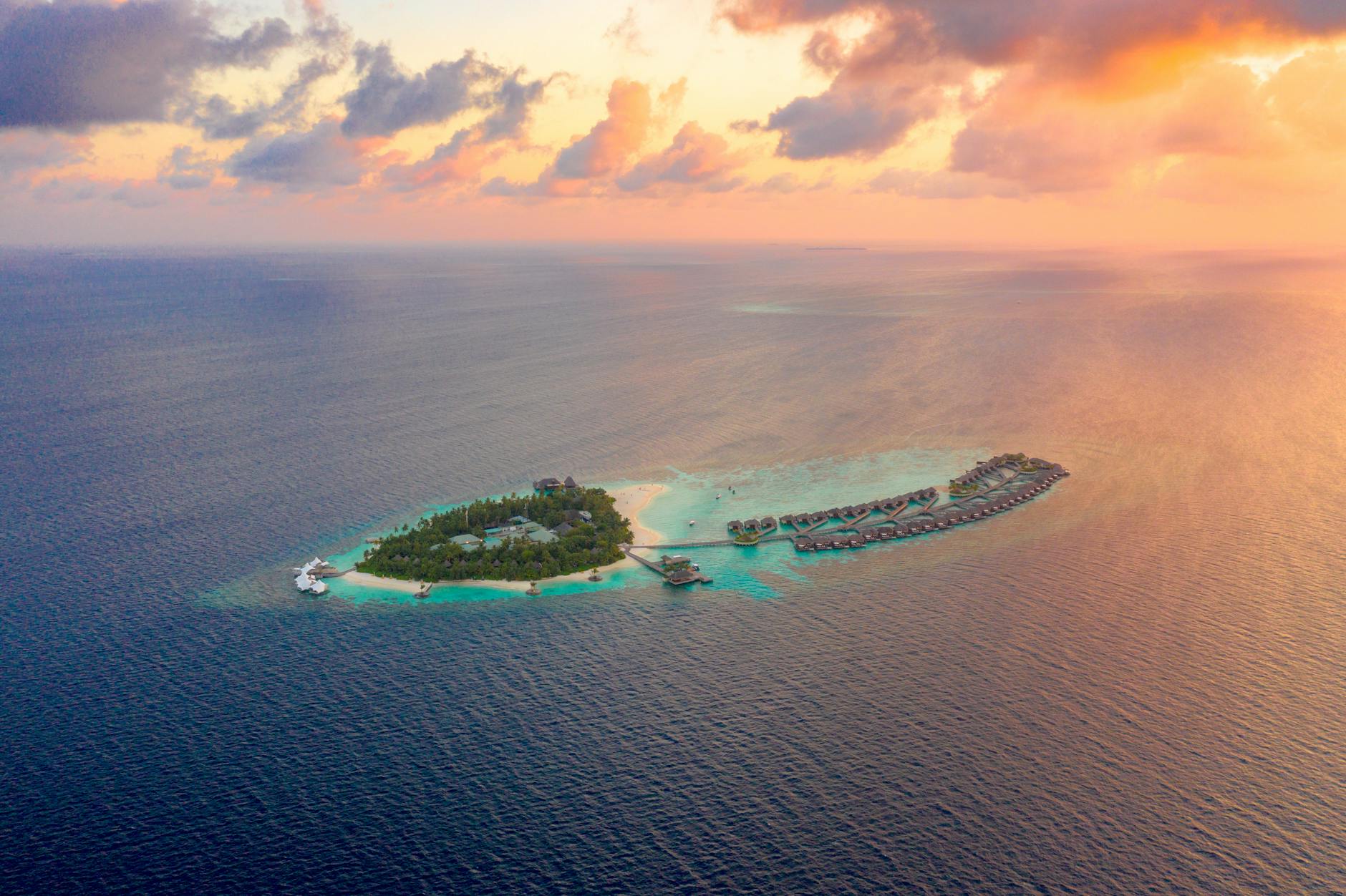
    Maldives beach (Image Courtesy of Unsplash)
    Maldives beach (Image Courtesy of Unsplash)

    For an ocean-side wellness escape, JOALI Being is a private island retreat pioneering wellness in the Maldives. With just 68 villas – all with private pools and airy design that blurs indoor-outdoor living – this sanctuary centers around the Four Pillars of JOALI Being: Mind, Skin, Microbiome, and Energy. Personalised programs include sound healing sessions in a botanical sound garden, marine fitness — like paddleboard yoga in crystal lagoons— and skin therapies using mineral-rich sea ingredients. The property’s design is breathtakingly biophilic: bamboo-clad overwater treatment villas, a hydrotherapy hall with a marble hammam and salt inhalation room, and architecture that mimics waves and shells. Despite the deep focus on wellbeing, guests talk about attaining a feeling of “weightlessness” here, luxury is never compromised – gourmet healthy dining, mood-boosting cocktails, and sunset cruises remind you that pleasure is a key part of wellness. Insider tip: Don’t leave without experiencing the Discovery Sound Path at dusk, where you walk through jungle clearing and play healing gongs and bells – a magical, soul-soothing finale to your stay.

    Book your stay: joali.com/joali-being Address: Bodufushi Island, Raa Atoll, Maldives Phone: +960 658 4400 Email: reservations@joali.com Instagram: @JOALIBeing

    Four Seasons — Singapore

    Four Seasons Singapore (Image Courtesy of Four Seasons)
    Four Seasons Singapore (Image Courtesy of Four Seasons)

    Nestled on Orchard Boulevard, Four Seasons Hotel Singapore is blending Asian-inspired elegance with cutting-edge rejuvenation. Its signature Chi Longevity experience draws from Traditional Chinese Medicine and modern holistic therapies, with in-house medical staff and clinicians on site. Guests have the option for bespoke treatments from herbal-infused massages to mindfulness rituals designed to nurture both body and spirit. With its serene ambience and commitment to well-being, Four Seasons Singapore redefines luxury travel for those seeking rejuvenation and serenity in the heart of the city.

    Book your stay: fourseasons.com/singapore Address: 190 Orchard Boulevard, Singapore 248646 Phone: +65 6734 1110 Email: reservations.singapore@fourseasons.com Instagram: @FSSingapore Facebook: Four Seasons Hotel Singapore

  • Bangkok Highlight: Where to Play, Stay, and Spa

    Bangkok Highlight: Where to Play, Stay, and Spa

    Long celebrated for its gilded temples and vibrant street life, Bangkok is now wooing design-conscious, high-net-worth travellers with a refined blend of opulence and authenticity. Modern art spaces, cutting-edge hotels, and wellness havens are elevating the city’s profile. The result is a vibrant metropolis, offering new places to play, stay, and spa in style.

    Where to Play & Stay

    Luxury Hotels on the Rise: 

    The Ritz-Carlton, Bangkok – the brand’s first foray into the capital – recently opened its doors in the new One Bangkok development. Overlooking the leafy expanse of Lumphini Park, this sanctuary blends cutting-edge design with classic Ritz-Carlton service. Not far away, in Bangkok’s tallest skyscraper, The Standard, Bangkok Mahanakhon is making a splash with its eclectic style and social buzz. Swapping marble-clad formality for vibrant hues and a high-voltage scene, The Standard draws the city’s creative in crowd– and boasts one of Thailand’s highest rooftop bars. By the Chao Phraya River, Capella Bangkok offers a more tranquil brand of indulgence with a two-Michelin-starred restaurant by chef Mauro Colagreco. Even more casual newcomers signal Bangkok’s boom: Marriott’s Four Points by Sheraton Sukhumvit 22 debuted in early 2025, a comfortable urban oasis that underscores the city’s hotel boom.

    Photo By Frida Aguilar Estrada
    Photo By Frida Aguilar Estrada

    Cultural & Culinary Adventures: 

    Beyond the plush pillows, Bangkok’s cultural and dining scenes are flourishing. The Museum of Contemporary Art (MOCA) stands as a testament to the city’s artistic rise – one of the largest contemporary art museums in Asia, showcasing an expansive collection of Thai modern art. Design-forward eateries like Sarnies, a chic café set in a renovated 150-year-old boatyard, fuses Thai ingredients with Aussie café culture. Across town on the river, Sala Rattanakosin offers dinner with a view – a minimalist dining room and rooftop bar gazing at the lit spires of Wat Arun as an unforgettable backdrop. For retail therapy, the newly unveiled EmSphere mall is a “sleepless metropolis” of luxury boutiques drawing a mixed bag of shoppers looking for anything, and nothing at the same time.

    Aerial view of a hotel pool surrounded by green palm trees and lounge chairs, with a river and boat visible in the background.

    Where to Spa

    At the legendary Oriental Spa, set in a century-old riverside teak villa at the Mandarin Oriental, Bangkok’s first hotel spa remains among the world’s most acclaimed – a haven of timeless Thai massage and gracious five-star service. For a uniquely local twist on well-being, Yunomori Onsen & Spa transports visitors to Japan without leaving Bangkok. Touted as Thailand’s first authentic Japanese onsen, Yunomori marries communal hot-spring bathing with the country’s infamous massage therapy. In this zen-like sanctuary, guests soak in mineral-rich baths and then surrender to a traditional Thai massage – a blissful Eastern ritual epitomising Bangkok’s inventive spa scene.

  • Art Basel Beyond Miami: The Rise of Global Art Weekends

    Art Basel Beyond Miami: The Rise of Global Art Weekends

    Art Basel has redefined global art culture, and its international outposts in Hong Kong, Paris, and São Paulo are setting new standards for high-end art curation. Explore the shift towards art tourism, exclusive VIP previews, and the billion-dollar deals happening behind closed gallery doors.

    Luxury art fairs have evolved from single-city events into globe-trotting cultural extravaganzas. High-net-worth collectors now hop between Art Basel 2025 editions and other international fairs as if following a fashion week circuit, turning each event into a lavish “art weekend.” What began in Basel and Miami has expanded to global art weekends in Paris, Hong Kong, and São Paulo – a shift that is redefining cultural tourism and the art world’s social calendar. Billionaires, museum patrons, and design-forward jet-setters descend on these destinations for VIP art previews, multimillion-dollar deals, and indulgent afterparties. It’s a new era where business, culture, and pleasure meet against exotic backdrops.

    Paris+ Par Art Basel: The European Jewel

    Paris has re-emerged as the jewel of the global art circuit. Launched in 2022, Paris+ par Art Basel quickly became a magnet for the international art elite. Art Newspaper reports the 2023 VIP preview was “heaving, and with a lot of Americans,” one dealer observed, standing by a $40 million Rothko on display. In fact, there were more American collectors at Paris+ than at Frieze London the week prior, and galleries clinched eight-figure sales in hours – David Zwirner’s gallery alone moved a $6 million Kerry James Marshall painting on opening day. Beyond the fair itself, the city amplifies the experience: luxury maisons host private dinners in gilded salons, five-star hotels brim with VIPs and celebrities, and exclusive previews at the Louvre or Fondation Louis Vuitton make the city’s art weekend a bold blend of culture. The result is a cultural tourism boom, with Paris harnessing Art Basel’s glamour to reinforce its status as an apex destination for art and luxury travel.

    Hong Kong: Gateway to Asia’s Art Elite

    If Paris offers Old World grandeur, Hong Kong delivers high-octane cosmopolitan flair. Art Basel Hong Kong has become the gateway to Asia’s art elite, where Eastern and Western collectors converge amid skyscraper views and Michelin-star dining. The nights leading up to the fair are packed with underground parties and gallery soirées, as top collectors often jet out soon after the first VIP day. In 2025, one art insider’s itinerary included an elegant Cantonese banquet hosted by a gallery at Mott 32 and a posh afterparty thrown by Gagosian at the Mandarin Oriental – all before the fair even opened. When the doors opened on March 26, the VIP preview drew throngs of prominent collectors and curators seeking early access to coveted works. Attendees noted a measured approach to buying, yet the atmosphere stayed buoyant. Beyond the convention center, Hong Kong itself becomes an art playground: think curated museum nights, gallery hops in Central, and city-sponsored pop-ups. In one novel twist, the Hong Kong Tourism Board installed a traditional Cha Chaan Teng café inside Art Basel Paris to entice global visitors to experience Hong Kong’s culture. The city’s luxury hotels like the Rosewood and Peninsula are fully booked with VIPs, and private jet charters between Hong Kong and other art capitals spike during the fair. In short, Art Basel Hong Kong has cemented itself as an unmissable stop on the luxury art fairs circuit, blending cutting-edge art with the dynamism of Asia’s world city.

    Photo courtesy of SP-Arte
    Photo courtesy of SP-Arte

    São Paulo: Latin America’s Turn in the Spotlight

    In São Paulo, Brazil’s financial hub, an Art Basel-like atmosphere is thriving at the annual SP–Arte fair. The 2025 edition of SP–Arte – Latin America’s largest fair – saw nearly triple the number of foreign collectors and curators compared to recent years. An influx of international collectors, from New York and London to Doha and beyond, signals a renewed appetite for Latin American art on the world stage. Indeed, São Paulo’s edition offers a refreshing complement to the frenetic pace of Basel or Hong Kong. Collectors spend afternoons browsing modernist Niemeyer-designed pavilions and evenings at gallery dinners in Jardim Europa or rooftop caipirinha receptions overlooking Ibirapuera Park. The city’s renowned restaurants and hotels join in, crafting bespoke experiences for the art crowd – think chef-curated menus at D.O.M. for visiting patrons or after-hours parties set to bossa nova beats. By embracing global art weekends, São Paulo has positioned itself as Latin America’s cultural capital, proving that the art-market jet set will happily add a South American stop to their annual grand tour.

    Basel 2024. Photo Courtesy of Art Basel
    Basel 2024. Photo Courtesy of Art Basel

    From VIP Previews to Private Jets: The New Art World Itinerary

    Welcome to an art world where VIP art previews are just the beginning of a luxe weekend itinerary. At each global art fair, invitation-only preview days see the “cream of the art world” queue up amid bustling aisles and bottomless champagne flutes. These first-look events are as much about networking and scene-making as they are about buying art. VIP programs offer concierge service and exclusive access that blur the line between commerce and leisure – one could start the day with a private collection visit or an artist’s studio tour, enjoy a catered lunch in the VIP lounge, then head to a VIP art preview at the fair. Evenings bring glitzy afterparties at iconic venues, where collectors, artists, and celebrities mingle. In Miami Beach, this might mean dancing under the stars at a seaside villa; in Paris, a midnight fête at a Palais; in Hong Kong, business deals sealed over late-night M+ parties. By the time the weekend wraps, billions of dollars in art have traded hands globally – total art sales topped $57.5 billion in 2024– and countless new connections have been forged over cocktails and canvases.

    What’s clear is that global art weekends have transformed art fairs into destination events that transcend geography. From Paris and Hong Kong to São Paulo, Art Basel and its peers are redefining cultural tourism by marrying high art with high living. And as the art caravan moves from one glamorous city to the next, the art weekend has become the ultimate luxury escape, proving that in the 21st-century art world, business class and culture now share the same itinerary.

  • Dark Mofo and MONA in Hobart: An Insider’s Guide.

    Dark Mofo and MONA in Hobart: An Insider’s Guide.

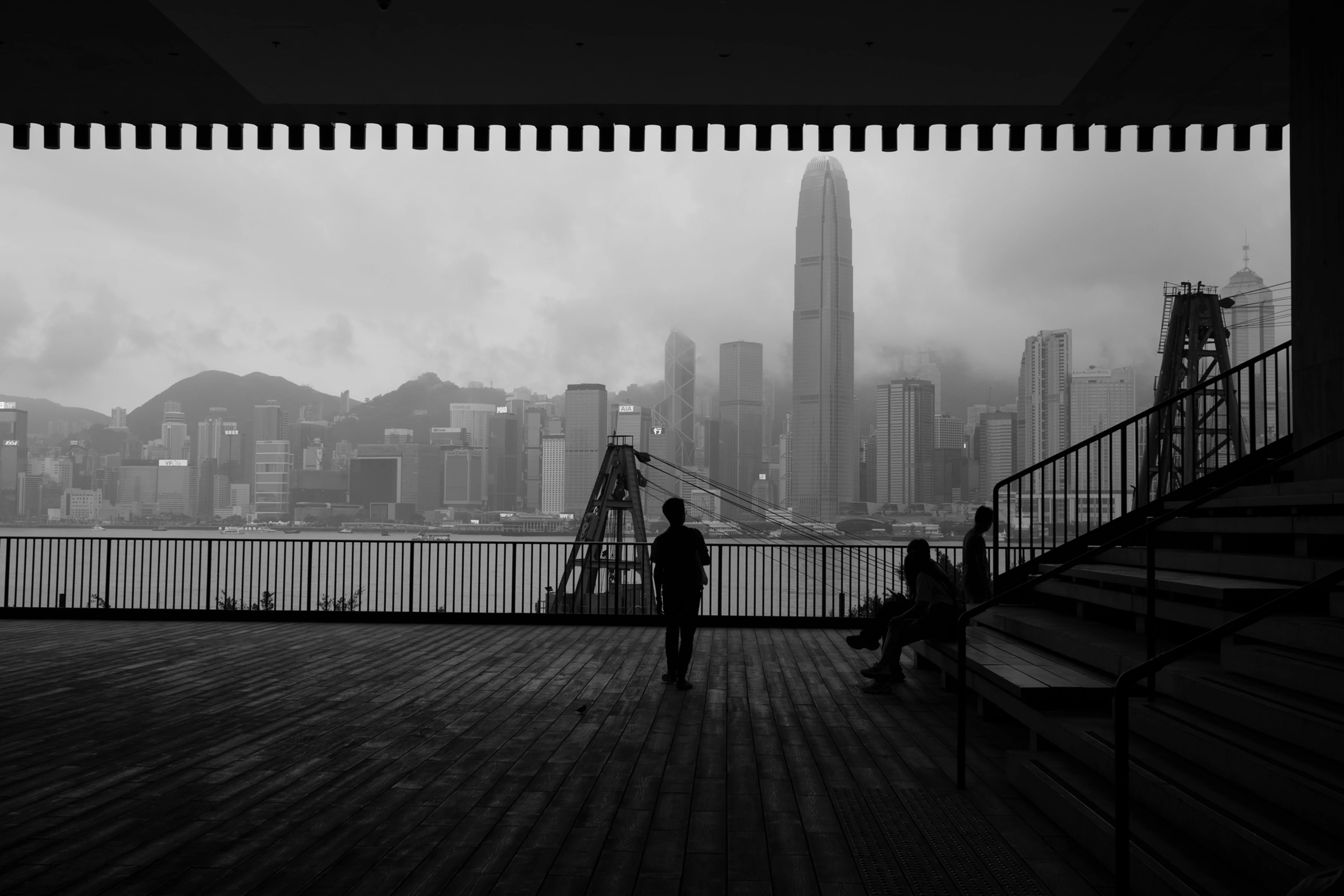
    From MONA, Night Mass, Altar to the Odeon Theatre, find out where to go and what to see.

    Dark Mofo is synonymous with artistic exploration, immersive experiences, and provocative displays, a winter festival for arts, culture and music in the heart of Hobart. This year, the two-week-long festival brought in the likes of Black Flag, Eartheater, Tianzhuo Chen, Laurel Halo, Dean Hurley, Max Richter, Ryoji Ikeda, Berlin Atonal, and ¥ØU$UK€ ¥UK1MAT$U. Alongside a new vanguard of Australian artists from GLVES, Tasman Keith, V, Arcana, Kaylani, Kinder and OKENYO.

    Then across the waters is MONA — Museum of Old and New Art — founded by David Walsh and accessible via a 25-minute ferry ride from the city in an art-deco bar boat. On show now is Oceans of Air (17 December 2022—24 July 2023), a solo exhibition of Tomás Saraceno that approaches the Argentinian artist from a native lens. Paintings, sculptures and interactive works are on view to reflect our relationship with nature, society and spiders.

    AT MONA

    Oceans of Air, curated by the in-house team Emma Pike and Olivier Varenne, separate the exhibition into over eleven rooms of dark-walled encounters with nature. Within the subterranean galleries, a serenity follows as you walk through the maze of literal spider webs in Webs of At-tent (s)ion. Then there are declarations of ‘Invertebrate Rights’ and sound installations that make up a wire-strung symphony.

    The 4pm orchestra show is a project by Tasmanian musician Dean Stevenson, who writes a new piece of music every day from scratch and performs it at 4pm with a different ensemble of musicians. Grab a drink and sit in the open lounge, or for something more private behind closed green curtains The Lady’s Lounge for high tea. Then there is Event Horizon by James Turrell, an immersive experience of the Ganzfeld Effect, leaving you feeling lost between the beginning and end.

    Newly opened inside the MONA Library is a recording studio open to public bookings with a viewing glass to studio sessions by The Frying Pan Studio. Inside is original equipment from The Beatles Abbey Road Album, Pink Floyd and The White Stripes. Be part of history.

    Western Flag, John Gerrard, Dark Mofo 2023. Photo credit: Andy Hatton, 2023.
    Western Flag, John Gerrard, Dark Mofo 2023. Photo credit: Andy Hatton, 2023.

    DARK MOFO

    A two-week-long winter festival for arts, culture and music that takes over the city of Hobart at night.

    NIGHT MASS

    Unveiling Hobart’s Underground from Altar, The Grand Poobah, The Alleway and an Underground Cinema.

    In Altar, graffiti-clad walls set the scene as international DJs deliver melodic techno, bass, and trance on the upper floors. Downstairs, immerse yourself in hardcore metal, rap, and raunchy drag shows that defy convention. With every hour, new performers take the stage until dawn.

    Seek solace in Poobar’s back room, where tarot card readings intertwine with string melodies and theatre performances of the oracle predictions. As you venture further into the labyrinthine depths of Nightmass, stumble upon the underground cinema nestled by the Alleyway entrance. The Alleyway hosts loft DJs surrounded by outdoor campfires, where the underground cinema offers satirical theatre and drag bingo.

    And if you’re lucky enough to enter the coveted Red Room in the Odeon Theatre, prepare to be enchanted by boundary-breaking performances. Be quick, though, as space fills up swiftly once a show concludes, or you’ll be lining up for hours. Night Mass is an immersive journey into Hobart’s underground scene.

    TRANCE Photo credit: Rosie Hastie, 2023.
    TRANCE Photo credit: Rosie Hastie, 2023.

    But the stand out performance showcasing underground sub-cultures was TRANCE by Tianzhuo Chen (Thu 8 – Sat 10 June). The ‘3 day rave’ put on three 12-hour long performances in an immersive nature-scape with art installations, interpretive characters, bass DJs and music performances. Artists from around the globe flew in to participate including Dis Fig, City, KIM KHAN, Lavinia Vago, OMI, and ¥ØU$UK€ ¥UK1MAT$U.

    ODEON THEATRE AND IN THE HANGING GARDEN

    Two music venues for international and local acts in a historic theatre and open-air stage.

    The opening night show In The Hanging Garden tilted The Gathering — saw powerful verses of BARKAA, the alluring flow of Tasman Keith, and the soulful dameeela. These remarkable First Nation artists forge a profound connection with the audience and land, setting the tone for the rest of the festival. Amidst this symphony of sounds, In The Hanging Garden is a multi-level outdoor venue adorned with cathedral-like light installations serving local wine or food from wild wallaby, pepperberry and more.

    Then at the Odeon Theatre, its architecture is reminiscent of a bygone era. The ornate details, from the intricately carved pillars to the rich tapestries adorning the walls, create an atmosphere of musical grandeur. PS. It’s the location of The Red Room, but only expect a seat if you arrive by midnight when doors open.

    As for the shows, the first weekend saw Black Flag’s unapologetic energy and Thundercat’s instrumental jazz, while Ethel Cain’s haunting melodies closed out the weekend.

    Enter the ethereal realm of Borderlands I, where Dean Hurley and Laurel Halo, two electronic composers from the United States, created soundscapes of tension and cinema to sit back and relax too. The second weekend for Borderlands IV will host Tujiko Noriko, Hiro Kone, KMRUKEN and Hüma Utku for their rendition of the electronic music concept.

    Crosses, Dark Mofo 2023 Photo credit: Rosie Hastie, 2023.
    Crosses, Dark Mofo 2023 Photo credit: Rosie Hastie, 2023.

    WINTERFEST AND DARK PARK

    Feed the body at Winterfest and the soul at Dark Park this winter solstice at Dark Mofo.

    As the frosty air wraps the city in its embrace, the people come out to play at night. Winter Feast beckons, a nightly feast where local and international cuisines intertwine over communal tables, fire pits and live music. From spit roasts, seafood, local wines and craft beers, the indoor-outdoor halls lit from neon red crucifixes and hourly fireworks have their own rugged charm.

    Spectra, Ryoji Ikeda, Dark Park, Dark Mofo, 2023 Photo credit: Remi Chauvin, 2023.
    Spectra, Ryoji Ikeda, Dark Park, Dark Mofo, 2023 Photo credit: Remi Chauvin, 2023.

    Dark Park, nestled within the former industrial site of Macquarie Point, blends raw and weathered elements with contemporary design. As you traverse the landscape, Spectra commands attention with its towering presence. A monumental beam of light crafted by Japanese artist Ryoji Ikeda can be seen throughout Hobart. But the ancient ritual of Ogoh-Ogoh genuinely captures the spirit of Dark Park. The pinnacle event is on the festival’s final night, as the Ogoh-Ogoh is set ablaze. In this ritual, the audience is invited to write their hopes, dreams, and wishes on paper, which they then cast into the bonfire. A practice of catharsis and release to end the two-week-long festival of art, culture and debauchery.

    Winterfest and Dark Park become the epicentre of Dark Mofo’s enchantment as the winter solstice casts its spell.

  • Thomas Nuding of SARAH Sea Rescue Tells of Refugee Missions in the South of Europe

    Thomas Nuding of SARAH Sea Rescue Tells of Refugee Missions in the South of Europe

    For the past five years, Thomas Nuding, the Managing Director of Search and Rescue for All Humans (SARAH) has been on an active mission to rescue refugees crossing both the Mediterranean and the Atlantic.

    Interview by Sarah Wei and Faye Bradley

    This is the uncut conversation from our feature on ‘Sea Rescue in the South of Europe’ coming out 2022 in print.

    Paradigm Haus: Can you start by telling us what your experiences have been so far, from reporting and being on missions during the refugee crisis.

    Thomas Nuding: Let me start with my intentions. In the summer of 2016, one of my friends wrote me an email saying that he did a sea rescue for the refugees with Sea-Watch. I thought it was a great adventure, so I joined my first mission in October of that year. I worked as a captain on a sea rescue vessel with a German NGO called Sea-Eye. I can’t forget that there was a pregnant lady on that vessel who asked me to send her to the doctor. I couldn’t imagine how bad the situation of their country was, this vessel was even safer than the land of their country. I think it’s a human necessity to help these people. The upcoming thing was in 2018, a sea rescue vessel was blocked from Malta, and the Italian government intervened for more than one week. I think the European Union Government broke the law of human rights. It’s important to protect human rights. Therefore, the sea rescue changed my mind.

    PH: How would you normally prepare for these missions? Did you expect to see what you saw?

    TN: No, I saw a lot of different things from what I expected. In the very beginning, sea rescue was much easier because of the support of the Italian government. They provided boats, shared information with the sea rescue meeting, and even arranged aircraft to patrol over the sea. They informed the position of the refugees to NGOs and helped with taking people back to Europe after the rescue.

    However, everything changed completely in 2017. In 2017, the European Union, especially Italy, decided to work with the Libyan coast guards. The Libyan coast guards got boats from Italy and money from the EU to bring fleeing people from the sea back to Libya. Libya was not a safe place for them. The Libyan coast guards collaborated with the smugglers, even sometimes they were the smugglers. They brought people back to the detention centers and tortured them again to squeeze money out of them. It was the worst for the fleeing people. They were afraid of losing their lives in Libya, so they chose to escape. However, the Libyan coast guards were informed by the European governments to bring them back to Libya, to the detention centers. At the detention centers, women were raped over and over again. People were sold as slaves. When the people were not useful for the Libyans anymore, they would be put on a rubber boat and sent out to the sea. There were so many smuggling organizations which you can’t imagine. If the people were on a boat escaping from the first organization, the Libyan coast guard could bring them back and sell them to the second or third organization. It was a loop that would never end.

    I met people from Somalia on our rescue vessel. When the Libyans came close to our boat, they held our feet and begged us not to send them back to the Libyans. They said “don’t give me back to the Libyans. If you want to give me back to the Libyans, I will jump into the sea and end my life.”

    There are many reasons why people want to escape from their countries. The civil war and political reasons make the government in those countries treat people badly. Also, the economy is in a bust. If people think staying in their countries would be safer, they won’t travel to Libya and go by boat to Europe, which means the situation in their own countries is awful.

    PH: Have you had a lot of interactions with the smugglers and the job traffickers on the missions?

    TN: Yes, I have contacted the smugglers several times. The first contact we had was with the so-called Engine Fishers. In 2016 and 2017, they had small boats in around six meters. Three people went out with the boats. When they left the Libyan coast and entered international waters, 25 to 30 miles away from the coastline, one of them got a piece of wood and told the migrant people not to come close. Then two others took the engines from the migrant people’s boat. The people were left alone on their boat without any engine drifting on the sea.

    The second contact was the so-called Libyan coast guards. We called it the “so-called Libyan coast guard” because they collaborated with smugglers. However, the European governments thought they were good people and they never worked with smugglers. NGOs knew them better since we got the stories from the people who survived from the Libyan coast guards.

    PH: How long would these missions go for?

    TN: In the early days, these missions were around two weeks. In the past, the harbor that the NGOs used was Valletta in Malta. It was the closest Harbor to the Libyan coastline. You received instructions before getting on the boat, then came back to instruct the next group. But now it changed because we couldn’t get any information from the governments and we didn’t know when or where you could find people. We had to use private aircraft to search for them.

    Last week, Sea-Watch left Palermo, Sicily. They found two boats within 5 days and they had 363 people on board rescued in a period of 48 hours. The boat was droughted, so they started their way back to Italy. However, the Italian government blocked the coast. They need to wait for three days or even three weeks. People on the boat were in a bad situation. Some got injured, while others got sick and needed medical treatment. Compared to the past, it took more time to let them disembark. 360 people needed at least two days to do COVID tests, then they had to stay in the harbor for at least two weeks for quarantine. Also, the Italian government used different reasons to block the ship, such as too many people on board or too many life vests. The ship could be blocked in the harbor for months. Therefore, one mission now could need at least five weeks.

    PH: How many people would you usually have on board as crew?

    TN: It depends if it is the small vessel or the big vessel. The small vessels, like Sea-Eye and Sea Fox from Sea-Eye, have around eight to nine people crew. The best we want for SARAH is the vessel for a 12 person crew. The bigger vessels, like Sea-Watch Four and SEA-EYE 4, have a crew between 22 and 26.

    PH: What percentage of injuries that need medical advice would happen on the boat, and how many would happen during the journey?

    TN: During the journey, different things can happen. In spring, the seawater can be at 13 to 15-celsius degrees, which is very cold. If the people stay in the water for over one hour, they may get hypothermia. Also, if people stay on the boats without drinking water, their bodies would have a massive loss of water. Moreover, some people who get seasick for a very long time, their body will also lose a lot of water. People from the detention centers may also have knife wounds, gun wounds, psychological problems, and infectious diseases, especially COVID for now.

    PH: How do you deal with the psychological after-effects of the journey for your staff and the refugees?

    TN: We have some psychologists on board. Sometimes the medical team has to deal with this situation themselves.

    PH: What has been your experience with the medical groups once you’ve landed at port?

    TN: People may need emergency treatments or normal medical treatment. If the condition of someone turns bad, we can call the Italian government to ask them to make an emergency medevac to a hospital. However, normally the government doesn’t care about the physiological problems or something not severe.

    PH: Do you work with NGOs on land so that once the refugees arrive, there are volunteers to help them integrate into the community?

    TN: We do work with different NGOs. For example, the most common NGO working in Africa is Alarm Phone. Alarm Phone has website pages in different languages. On their pages, people can find phone numbers to dial in an emergency, but when some people lose their phones, those are not useful anymore. Some people may have some cheap satellite phones to contact with the Alarm Phone. Normally, the call will also connect to the government due to the laws, but the government won’t help generally. Only NGOs will come to help them get to the land, normally in Italy and Malta, and assist people to get through the law process of the government. NGOs on the land also help them get food and psychological treatments and also keep in contact with them.

    PH: How do you tackle the different rules in the different regions?

    TN: Because of the Italian government, it was a little bit more difficult to run an NGO in Italy. Valletta, Malta is closer to the Libyan coastline, which is also an easily reachable country from almost every airport in Europe. Also, they can speak English. It’s easy for you to prepare for the boats to go to the Libyan coastline. However, nowadays, Malta is very bad for NGOs. They have arrested the boats from NGOs for years and don’t want to have NGOs anymore.

    However, now there is a new possibility in Sicily. Since the Italian law now doesn’t allow refugees to be brought back to the harbors, some NGOs will have a home base in Sicily. Spanish NGOs will have bases in Spain. SOS Mediterranean will have bases in Marseilles, France. However, these harbors are very far away from Sicily. It takes one week to travel from Spain to Sicily and another week from Sicily to the South.

    PH: Once you’ve picked up these refugees, how do you know which harbors to land in, or would you sometimes have to spend a week with refugees on board going to a different harbor because you weren’t able to land.

    TN: If we bring back people from the South to the North, yes. You get in contact with the Italian government because every country has an MRCC. The MRCC is the maritime rescue coordination center, which is responsible for international sea rescue and will tell you the next safe port. We have to go to the port whichever they tell us, no matter how far it is. We need to wait and ask the government to let them instruct you to a port.

    PH: We heard that the routes are now changing. People used to go through the Mediterranean sea, and now they’re going through the Canary Islands. How do you hear of that and what’s your experience so far?

    TN: I saw the Canary islands on TV and I heard on the radio that the situation there is turning very bad. In 2019, about 2,500 people were crossing the Atlantic in 12 months. In 2020, we decided to go there for a short period at the end of November. From January to October, 12,000 people arrived in the Canary Islands, so we knew the situation there was becoming severe and we decided to help. In November and at the beginning of December, the situation was extremely severe. In 2020, around 25,000 people came to the Canary Islands. The distances they traveled were 1000 kilometers, which was three times longer than the distance people traveled in the central Med, 300 to 350 kilometers. The time they were on board was much longer. Since I am an experienced sailor and I was in the Canary Islands several years ago, I know the weather situation that the wind comes from the Northeast and also the currents come from the Northeast. Therefore, if the engines are broken, the boats will drift to the west, where there is nothing, only the big Atlantic Ocean.

    PH: How would these refugee boats navigate when they’re in the oceans? They don’t have the same equipment as the boats that you’re using.

    TN: It depends. They may navigate with cheap compasses. I saw some compasses which can be bought for $5 from Alibaba. Those are wooden boxes the size of 10 to 10 centimeters. Normally, they are not good enough for navigation, but people use them in the Atlantic. Many of these people have cheap small handheld GPS. We once found a very old handheld GPS, probably five or six years old, on a refugee’s boat. The positions on the GPS were marked by the previous owner, which was on the East coast of the United States, so we thought this GPS was probably sold on eBay. Then, it was sold to Africa and people used them as a navigational aid to get from the South to the Canary Islands, but it only works when they have a running engine. When the engine breaks, they have no chance to navigate.

    PH: In those situations what would they do if they can’t navigate anymore?

    TN: Nothing. They can only hope to be found by an aircraft or by another ship. It’s just a small wooden boat with one engine. Sometimes they have two engines, a bigger one, and a spare engine, but normally they only have one engine. If the engine breaks, they can only pray that they could be found, otherwise, they will die.

    PH: What about the chance of an extreme weather condition? Is that quite frequent on that route to the Canary Islands?

    TN: When you have bad weather conditions, the bow of the boat will be very high. It’s also a very large fishing port. There are tons of boats, which could be found on Google maps even. A lot of fishermen lost their jobs at those piers for months because of the big fishing vessels from all the industrial nations including China. They took out all the fish from the sea while the smaller local vessels couldn’t find any fish anymore. The local people lost their jobs, income, and future. They had nothing to do, so they sold the vessels to the smugglers. Some people will even go further south to Senegal and along the coastline to Nouadhibou. They leave there, turning North and trying to reach Gran Canaria.

    PH: What would be the success rate for the boats going out, getting picked up by NGO groups or the coast guard?

    TN: Normally, the boats can get close to the Canary Islands, around a hundred nautical miles away. The Spanish sea rescue organizations do good jobs with a well-equipped boat, but with very few people. Sometimes they only have five or three people on a big vessel at around 30-meter length. Also, they are only available to go out for less than one and a half weeks, so they can only operate in one area. I think, close to a hundred nautical miles South of the Trenton area. The migrant boats have to reach this area to be rescued. If they miss this area because of a broken engine or stronger winds, they will be in danger.

    The official data say only 12% of all people fleeing have been dying, which is the same in the central Med. Only the dead person can be counted if the bodies are found. If the bodies are not found, then they are not to be counted. So, the rate of people that die is five times more than 12% in my opinion.

    PH: That’s really sad. Is there anything that you think about people within the cities? When the refugees do land, what has been the reception from businesses and from the local communities?

    TN: You have to know something about the Canary Islands. Many people live from the tourists. During the COVID-19, there were almost no tourists. At the beginning of last year, people from the Canary Islands tried to help. For example, people who own hotels give their hotels to the refugees because they can get some money from the government for keeping some fleeing people in the hotels. It’s better to have somebody in the hotels than nobody. At least, they can gain some money. But generally, people in the Canary Islands get more and more afraid of losing tourism, because many European tourists are afraid of refugees. It’s just something in their mind. They want a pretty beach, a comfortable hotel, and a happy holiday, so they think the refugees are disturbing. Then, the local business doesn’t want to lose their income, so they don’t welcome refugees either. The situation is becoming worse and worse.

    PH: Overall, have you seen the situation changing in your experience comparing the earlier days from 2016 to now 2021?

    TN: From 2016 to 2019, the number of migrants was only around 2, 500 each year, so the Spanish government would take them to Mainland Spain from the islands. However, with the increasing number, the government didn’t want to have them anymore, so the migrants had to stay on the islands. The government made some agreements with Morocco, Moda, Tania, and Senegal to bring the people back, but the agreements were completely ended after the COVID.

    The city of Arguineguín is the one that is the southernmost harbor in Gran Canaria with around 3,000 population. The NGOs brought the migrants there and they had to wait until the COVID test was done. Around 2000 people were living there for months. The situation turned very bad in the press and on TV. Now they made some old military camps as refugee camps in every Island area, at least one. I think the situation on Canary Island at the end of this year will be the same as on the Greek islands in Malia.

    PH: I think that was all of our questions so far. Is there anything else you’d like to share?

    TN: Yes. In my mind, it’s completely unacceptable that people die because of drowning undersea. Everybody has to take care in their mind that we need to solve the problems of fleeing people. If you want to change Africa, we need 10 to 30 years. What I want to tell everybody is that from now until the time Africa has changed, we are forced by law to help people to survive. As industrial countries from the Northern hemisphere, we made these situations hundreds of years ago until nowadays. China is even doing the same thing in Africa nowadays. We should help them to survive. It’s humanity and a necessity to help people. That’s why I want to have some donations for a new rescue ship.

    If you check our homepage, you can see our NGO is a little bit different from all the others. Every NGO buys many kinds of ships, such as fishing vessels and patrolling ships, but the size is not appropriate and the speed is too slow. The maximum speed is between 8 to 12 months. If you fly over sea by aircraft, you can see there are few rescue ships on the sea and the distance between rescue ships is really long. They need several hours to go to the place where they need help. Sometimes people are dead because rescue ships need half a day to get there. Sometimes the Libyan coast guards picked them up and brought them back to Libya. Sometimes the boat sank and people drowned. We need a new vessel specially designed for the rescue with 50% faster speed. That needs a lot of money, more than half a million euros. It’s worth it to save people, so please help us to get donations for our project.


    Support Thomas’ mission and SARAH at @sarah.seenotrettung